- What are the common challenges faced in organizing a classroom?
- How can I involve students in the classroom organization process?
- What tools and resources can be utilized for classroom organization?
- Why is it important to establish daily and weekly routines in classroom organization?
- How can teachers manage limited time efficiently when organizing their classrooms?
Enhancing your classroom organization is key to creating an optimal learning environment. By implementing effective strategies, you can boost student engagement, streamline activities, and foster a conducive space for learning. From decluttering to establishing clear routines, organizing your classroom can significantly impact both teaching effectiveness and student performance. Join us as we delve into practical tips and innovative ideas to help you revamp and optimize your classroom setup. Elevate your teaching experience and maximize student potential through the power of efficient organization.
Key Takeaways
- Start by identifying the specific challenges you face in organizing your classroom to address them effectively.
- Begin the organizing process by decluttering and creating a system that works for you and your students.
- Determine what materials are essential for your classroom and let go of items that no longer serve a purpose.
- Manage your time efficiently by prioritizing tasks, setting realistic goals, and establishing a schedule.
- Simplify paperwork management by creating designated spaces for important documents and utilizing digital tools for organization.
- Establish daily and weekly routines to maintain order and consistency in your classroom environment.
Understanding Classroom Organization Challenges
Time Constraints
Time constraints often pose a significant challenge when organizing a classroom. Teachers juggle various responsibilities, leaving minimal time for classroom organization routines. To overcome this, educators can create a schedule specifically dedicated to organizing tasks. By allocating small pockets of time each day, teachers can gradually declutter and arrange their classroom space effectively. Seeking assistance from colleagues or students can lighten the workload and foster a sense of community within the classroom.
Inherited Materials Impact
Inherited materials play a crucial role in shaping classroom organization efforts. Teachers may inherit items from previous educators, leading to a mismatched array of resources. To address this challenge, it is essential to conduct a thorough inventory of all materials and categorize them based on relevance and utility. By decluttering outdated or redundant items, teachers can streamline their organized classroom and create a more conducive learning environment for students.
Emotional Attachments Influence
Emotional attachments to resources can significantly impact decision-making in classroom organization. Teachers often develop sentimental connections to certain materials, making it challenging to discard or rearrange them. To navigate this obstacle, educators can adopt a systematic approach by evaluating each item’s practical value and educational benefit. Creating a criteria based on functionality and student engagement can help prioritize resources effectively while also preserving sentimental items in a designated area.
Steps to Begin Organizing
Assess Current State
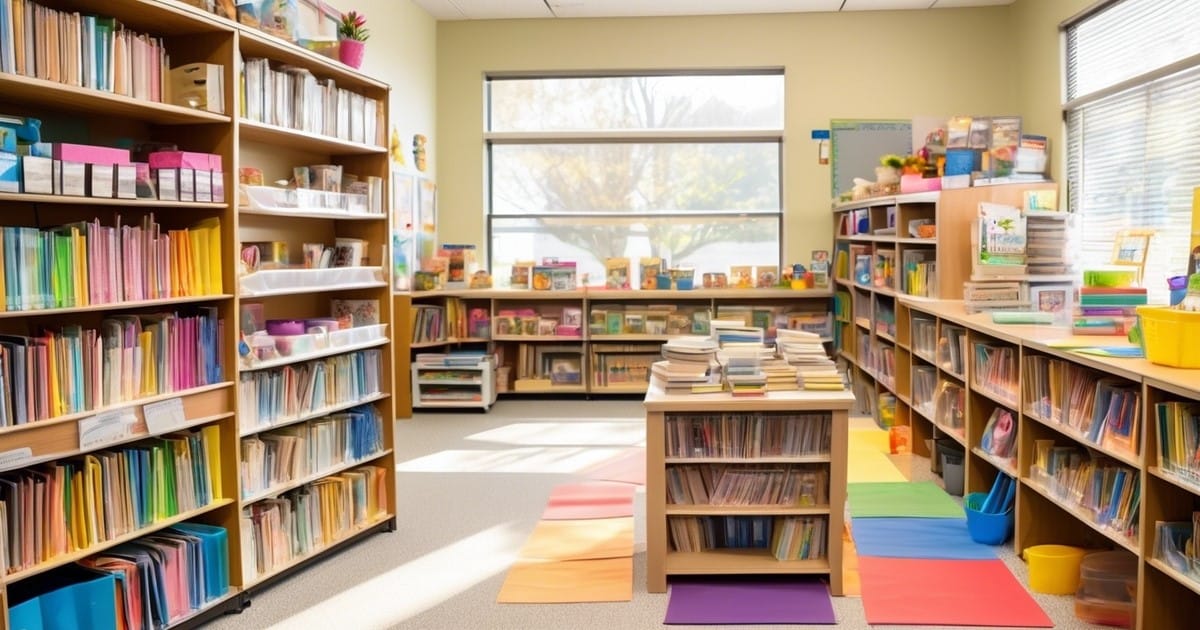
Begin by assessing the current state of your classroom to pinpoint areas requiring organization. Look at organized bookshelves, desk spaces, and storage units. Identify cluttered spots that need attention.
Start by decluttering disorganized areas. Remove unnecessary items and categorize belongings into groups. This step is crucial in laying the foundation for a well-organized classroom.
Create a Detailed Plan
Craft a detailed plan that outlines specific goals and timelines for organizing tasks. Break down the process into manageable steps to ensure a systematic approach.
List down tasks such as organizing stationery supplies, arranging seating layouts, and setting up designated areas for different activities. Having a clear plan will help you stay focused and on track.

Prioritize Tasks
Prioritize tasks based on urgency and importance to streamline the organizing process. Focus on high-traffic areas such as entryways, student desks, and common areas first.
Allocate time for each task based on its priority level. For instance, setting up an organized post station for announcements might take precedence over other tasks.
Deciding What to Keep or Discard
Evaluate Relevance
When organizing your classroom, evaluate materials based on their relevance to the current curriculum and student needs. Consider whether household items can be repurposed in an educational context. For example, reuse household items like kitchen storage items for organizing supplies efficiently.
Utilize the “One-Year Rule”
To streamline the decluttering process, apply the “one-year rule” when deciding what to keep or discard. If an item has not been used in the past year, it may be time to let go of it. Apply this rule to drawers, bookshelves, and other storage spaces to reduce mess in your classroom.
Seek Colleague Input
Collaboration with colleagues can provide valuable insights into what resources are truly essential for the classroom. Discussing with fellow teachers about which belongings are crucial for teaching can lead to a more efficient organization system. Create a list of items that are frequently used and those that can be discarded.
Consider Storage Solutions
When faced with a dilemma on whether to keep or discard certain items, think about practical storage solutions. Utilize trays and bins to categorize and store items effectively. By categorizing items, you can easily identify what needs to be kept and what can be discarded based on their frequency of use.
Managing Limited Time Efficiently
Breaking Down Tasks
When organizing your classroom, break down tasks into smaller segments to fit daily schedules. This approach helps manage time efficiently and prevents feeling overwhelmed by the workload. By dividing tasks into smaller parts, educators can tackle them gradually without pressure.
Efficient task breakdown involves identifying specific areas in the classroom that require organization. For instance, spot areas that accumulate clutter or need rearrangement. By focusing on one area at a time, teachers can effectively address each aspect of classroom organization without feeling a lot of pressure.
Utilizing Time-Blocking Techniques
To make the most of limited time, educators can utilize time-blocking techniques. This strategy involves allocating specific periods throughout the day for organizing activities. By setting aside dedicated time slots for tasks like decluttering, arranging supplies, or updating bulletin boards, teachers can ensure consistent progress in maintaining an organized classroom.
Time-blocking allows teachers to prioritize essential organizational tasks based on their importance and urgency. By assigning each task a specific time slot, educators can focus on completing one task at a time without distractions. This method helps streamline the organization process and ensures that all necessary tasks are addressed within the available timeframe.
Setting Realistic Deadlines
When managing time efficiently, it is crucial to set realistic deadlines for organizing activities. By establishing achievable timelines for completing tasks, educators can maintain momentum and stay motivated throughout the organization process. Realistic deadlines prevent procrastination and help educators stay on track with their organizational goals.
Setting deadlines also creates a sense of accountability and structure within the classroom environment. When students observe teachers adhering to deadlines for organizing tasks, they learn valuable lessons about time management and responsibility. By modeling effective deadline setting, educators instill important skills in their students that extend beyond classroom organization.
Simplifying Paperwork Management
Implementing Digital Tools
Utilize digital tools to reduce the reliance on physical paperwork in your classroom. By scanning documents and storing them digitally, you can minimize the need for paper storage. Consider using apps or software that allow for easy organization and quick retrieval of important documents. This not only saves space but also streamlines the document management process efficiently.
Creating a Filing System
Establish a clear and efficient filing system that categorizes paperwork based on subjects or topics. Use labeled storage boxes or bookcases to keep different types of documents separate and easily accessible. Assign specific locations for different categories, such as assignments, attendance records, or lesson plans. This structured approach ensures that you can quickly locate any document when needed.
Regular Review and Purging
Set aside time at regular intervals to review and purge unnecessary documents from your filing system. Regularly going through paperwork helps you identify outdated or irrelevant documents that can be discarded. By maintaining a clutter-free environment, you can focus on essential tasks without being overwhelmed by unnecessary paperwork. Consider using a shipping container or other storage solutions for long-term archiving of important documents.
Establishing Daily and Weekly Routines
Consistent Routines
Create consistent daily routines to streamline classroom organization. Assign specific times for activities like lessons, group work, and breaks. Designate clean-up times at the end of each task to instill a sense of responsibility in students.
Encourage students to follow the routine by displaying a visible calendar outlining daily activities. This visual aid helps them anticipate transitions and stay on track throughout the day.
Weekly Check-ins
Implement weekly check-ins to evaluate the effectiveness of your routines. Use this time to assess the organization of the classroom, identify areas for improvement, and make necessary adjustments.
During these check-ins, involve students in discussions about what is working well and what needs modification. This collaborative approach empowers them to take ownership of their learning environment.
Student Participation
Promote student participation in maintaining classroom order by assigning classroom jobs. These tasks can range from organizing supplies to managing different stations within the room.
Rotating these responsibilities weekly allows students to develop a sense of accountability and teamwork. It also fosters a sense of pride in contributing to the overall organization of the classroom.

Monthly and Quarterly Organizational Strategies
Plan Projects
Plan monthly organization projects to enhance different areas of the classroom. Focus on creating anchor charts for key subjects like math, language arts, and science. These visual aids help students grasp concepts more effectively.
Regularly update these charts to reflect new topics or reinforce previous lessons. For instance, create an anchor chart for multiplication techniques in math class. This visual guide can assist students in remembering various multiplication methods.
Conduct Reviews
Conduct quarterly reviews of classroom resources and materials to ensure they remain relevant. Check the condition of books, manipulatives, and technology tools. Remove any outdated or damaged items to maintain a clutter-free environment.
By reviewing resources regularly, teachers can identify areas that need improvement or enhancement. For example, if certain books are rarely used, consider replacing them with more engaging reading materials. This process ensures that classroom resources align with students’ learning needs.
Refresh Stations
Refresh classroom stations on a regular basis to keep the learning environment engaging and organized. Rotate activities at different stations to prevent monotony and spark students’ interest in various subjects. This approach encourages active participation and exploration among students.
Involving Students in the Process
Assigning Classroom Jobs
Assign students specific classroom jobs that encourage responsibility and ownership. By involving them in the teaching environment, they learn the importance of contributing to the school community.
Encouraging students to take on tasks such as organizing supplies, cleaning the classroom, or managing a designated area instills a sense of pride and accomplishment. These responsibilities help them develop essential organization skills that are beneficial beyond the course curriculum.
Educating on Organization
Educate students about the significance of organization and how it directly impacts their learning experience. Show them real-life examples of how being organized can lead to better grades and reduced stress levels.
By explaining the correlation between an organized space and improved focus, you empower students to take control of their learning environment. This awareness motivates them to maintain a tidy space for maximum productivity.
Fostering Collaboration Through Team-Building
Create team-building activities centered around organizational tasks to promote collaboration among students. Group activities like organizing a classroom library or creating a shared digital calendar enhance teamwork skills.
Utilizing Tools and Resources
Organizational Tools
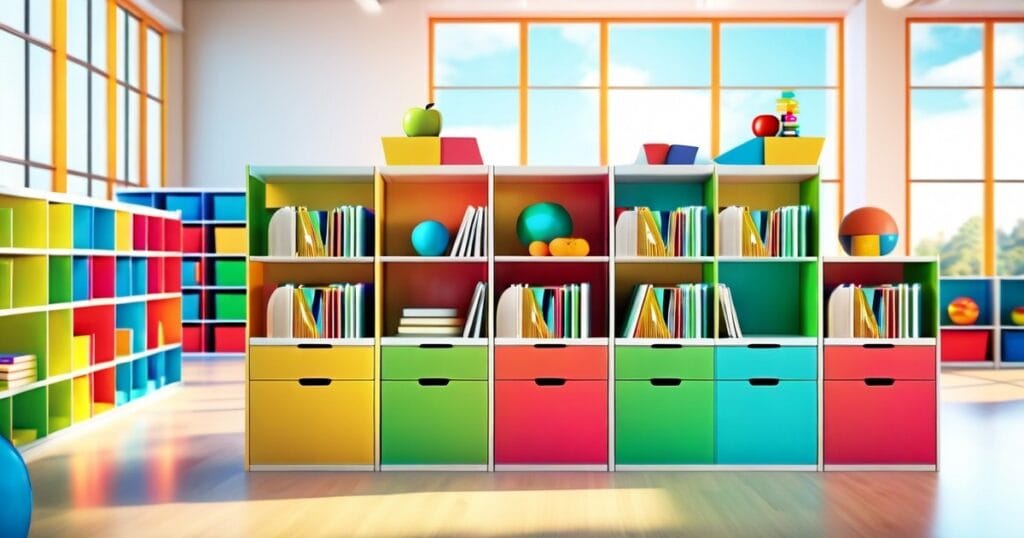
Research and implement bins, labels, and shelving units to streamline classroom organization. These tools help categorize and store various supplies efficiently.
Utilize bins to segregate different types of supplies, making it easier for both you and your students to locate items when needed. Labels play a crucial role in identifying the contents of each bin, ensuring quick access during lessons or activities.
Shelving units provide additional storage space, keeping the classroom tidy and maximizing the use of available space effectively. By investing in these organizational tools, you create a structured environment conducive to learning.
Online Resources and Communities
Explore online resources and communities dedicated to sharing tips and strategies for effective classroom organization. These platforms offer valuable insights from experienced educators worldwide.
Engage with online forums, blogs, and social media groups to gain inspiration and practical ideas for organizing your classroom. You can learn about innovative storage solutions, furniture arrangements, and creative ways to optimize space.
By tapping into these digital resources, you stay updated on the latest trends in classroom organization and connect with a supportive community of like-minded teachers striving for an organized learning environment.
Technology for Classroom Management
Invest in technology that facilitates the management of classroom materials and schedules efficiently. Digital tools such as inventory trackers, scheduling apps, and communication platforms enhance productivity.
Use inventory trackers to monitor the availability of essential supplies and ensure timely restocking. Scheduling apps help you plan lessons, activities, and events seamlessly, optimizing your daily routine.
Communication platforms enable effective collaboration with students, parents, and colleagues, fostering a cohesive learning environment. By embracing technology, you streamline administrative tasks and focus more on teaching.
Final Remarks
Organizing your classroom requires dedication and strategic planning. By understanding the challenges, setting up routines, involving students, and utilizing available tools, one can create an efficient and welcoming learning environment. Deciding what to keep, managing time effectively, simplifying paperwork, and implementing organizational strategies are crucial steps in this process. Remember, a well-organized classroom not only enhances productivity but also fosters a positive atmosphere for both educators and students. Take charge of your classroom organization today and witness the transformative impact it can have on teaching and learning.
Frequently Asked Questions
What are the common challenges faced in organizing a classroom?
Classroom organization challenges often include clutter, time constraints, paper management, and maintaining routines. Addressing these challenges systematically can lead to a more efficient and effective learning environment.
How can I involve students in the classroom organization process?
Engage students by assigning specific tasks like organizing supplies, cleaning up shared spaces, or creating a classroom organization system together. Encouraging student participation fosters a sense of ownership and responsibility in maintaining an organized classroom.
What tools and resources can be utilized for classroom organization?
Utilize tools such as storage bins, labels, digital organizers, and visual aids to streamline classroom organization. Online resources like organizational apps or websites can also help in managing schedules, assignments, and communication effectively.
Why is it important to establish daily and weekly routines in classroom organization?
Daily and weekly routines create structure and consistency in managing classroom tasks and responsibilities. They help optimize time management, reduce stress, and ensure that essential organizational activities are consistently addressed.
How can teachers manage limited time efficiently when organizing their classrooms?
Prioritize tasks based on importance and urgency, delegate responsibilities when possible, utilize time-saving tools or techniques, and establish a clear organization plan. Efficient time management strategies can help teachers make the most of the time they have available for classroom organization.