
Exploring STEM is a personal journey and a bit messy at times, which can give parents simple tips to try at home. Coding kits and fun interactive tools are now common in classrooms and living rooms, and a selected Amazon product shows just one way to begin. The guide uses clear steps even if it feels slightly off-balance sometimes.
Table Of Contents
- Overview of STEM Coding Kits
- Product Highlights
- Hands-on Learning Ideas for Parents and Educational Settings
- Practical Tips for Integrating Coding Robots and STEAM Tools into Curriculums
- Additional Resources and External Links
- Conclusion
- Frequently Asked Questions (FAQs)
- Sources
Key Takeaways
STEM coding kits are a fun and engaging way for kids to learn about technology through hands-on activities that boost their problem-solving and creative skills.
Integrating technology into daily routines can turn regular learning into exciting explorations, making kids more curious about the world around them.
The Evo Entry Kit pinned on Amazon is a great budget-friendly choice for beginners who want to get started with coding and STEM education without breaking the bank.
Bright Mind Tools: A Parent’s Guide to Tech-Supported STEM Learning is a treasure trove of tips that help parents blend technology with everyday learning, making school-age kids’ education more relevant and effective.
From resources like CircuitMess to fun platforms like Sphero, there are plenty of tools available that can complement coding kits and enhance kids’ experiences in learning about science and technology.
Overview of STEM Coding Kits
STEM coding kits have become an essential tool in modern education, offering students the chance to engage with science, technology, engineering, and math in a hands-on way. These kits, which often include coding-based robots and other interactive tools, give children the opportunity to learn practical skills while exploring concepts that will support future success. They break down complex ideas into simple, manageable steps, making learning fun and interactive. Parents, educators, and community groups appreciate the fact that these kits go beyond theory—providing hands-on activities that show the real-world applications of technology.
In today’s environment, where digital technology rules many aspects of life and work, understanding basic coding and robotics has moved from a desirable skill to a necessary one. These tools promote problem-solving, critical thinking, and creative innovation. They also help young learners gain confidence in tackling challenges by learning through trial and error. When used in a family setting, they make it easier for parents to support their child’s learning, even if the adult isn’t an expert in the topic.
The format of these kits can vary a lot. Some are designed for beginners with minimal instruction, whereas others provide more in-depth projects that might require guidance from teachers or experienced mentors. They typically include user-friendly manuals with clear, step-by-step instructions and sometimes even online video content to support various learning styles. This diversity means that STEM coding kits can be adapted for numerous teaching scenarios—from individual practice at home to structured classroom projects.
Product Highlights
Many brands have developed best-selling products within the realm of STEM coding kits. Two standout examples that are highly recommended by educators and parents are the Evo Entry Kit and the Ari Classroom Kit. Both of these have features that make them ideal for different educational settings.
Evo Entry Kit
The Evo Entry Kit is a popular choice for parents just starting to explore coding tools with their children. Its design emphasizes ease-of-use and enjoyment. A few of its key features include:
- Clear, step-by-step instructions that guide users through simple projects
- A user-friendly interface that is accessible to beginners
- Flexibility, allowing it to be used at home or in classroom settings
- Durable construction to withstand repeated use from young learners
Step-by-step Setup for the Evo Entry Kit:
– Unpack all components carefully and identify each part.
– Read the quick-start guide that comes in the kit.
– Connect the coding robot to a power source and pair it with the provided software.
– Follow the on-screen tutorials to program the first simple commands.
– Experiment with adjusting code parameters to see how the robot reacts, encouraging curiosity and iterative learning.
Each step is designed to make the process feel manageable and enjoyable to beginners. The kit works as a springboard for young minds eager to delve deeper into the robotics and coding world.
Ari Classroom Kit
The Ari Classroom Kit is tailored more for a structured learning environment such as a classroom or group-based workshop. It offers more advanced projects along with features that support collaborative learning. Key highlights include:
- An expanded set of modules to explore more complex coding concepts.
- Integration with curriculum content that matches educational standards.
- Support resources that include downloadable lesson plans and online interactive demos.
- Robust software that allows multiple users to program in parallel during class sessions.
Step-by-step usage in a classroom setup:
– Begin with a demonstration showing students how to set up the kit.
– Divide students into small groups and assign roles such as coder, designer, and operator.
– Guide each group through programming challenges that involve adjusting code to solve specific puzzles.
– Use the built-in demo mode to illustrate what can be achieved when robots follow the programmed instructions.
– Review each group’s progress and encourage sharing of solutions to stimulate peer-to-peer learning.
These two products represent only a part of what STEM coding kits can offer. A comparison table below illustrates some of the features side by side:
| Feature | Evo Entry Kit | Ari Classroom Kit |
|---|---|---|
| Ease of Use | Beginner-friendly | Classroom-oriented |
| Number of Modules | Fewer components | Extensive module collection |
| Instruction Format | Step-by-step manual | Digital lesson plans |
| Learning Environment | Home-based learning | Group and structured learning |
| Durability and Build | Light, durable plastic | Robust for frequent classroom use |
| Scope of Project Complexity | Basic projects | Advanced multi-level projects |
This comparision helps educators and parents choose the right tool depending on the learning environment and the skill level of the children.
Hands-on Learning Ideas for Parents and Educational Settings
STEM coding kits invite hands-on experiences that benefit both individual learners and groups. When parents and teachers use these kits, they promote exploratory learning and encourage experimentation. These activities not only develop coding skills but also engage the creators in solving real-life problems. Here are several ideas to get started:
- At Home Projects:
- Use the kit to create simple programming challenges where the robot has to follow a line or avoid obstacles.
- Set up a mini obstacle course and assign different tasks to the robot to navigate through the course.
Organize family coding nights where both children and parents learn together by following the guided projects.
Group Activities in Classrooms:
- Divide students into teams and assign them a goal, such as programming the robot to perform a sequence of tasks.
- Host friendly competitions where groups present their projects to the class, encouraging a spirit of healthy competition and collaboration.
Utilize brainstorming sessions before the coding projects, where students plan the logic for their robot’s actions.
Workshop Ideas:
- Define a theme—for instance, “Space Exploration”—and have students simulate a space mission using the robots.
- Invite guest instructors for short demo sessions on advanced topics, like sensors or wireless programming.
- Combine art with coding, encouraging students to design decorations for their robotics projects using mixed media crafts alongside code.
Summer Enrichment Activities and Demos
Summer activities provide a unique opportunity for extra-curricular learning. With longer days and free time on hand, students can explore new skills beyond the regular academic schedule. Here’s a step-by-step plan to organize summer enrichment activities:
- Choose a central theme – for instance, “Robots in Nature” – that combines outdoor exploration with technology.
- Prepare a session plan with clear objectives that include building, coding, and demonstrating the capabilities of the kits.
- Set up outdoor demos where kids can see how a robot might overcome natural obstacles, like using sensors to detect changes in light or weather conditions.
- Offer hands-on tasks that result in a simple real-world application, such as programming a robot to plant seeds in a garden or follow a trail on a park path.
- Wrap up the activity with a group discussion where participants share what they learned and propose how technology can solve everyday problems.
These activities need not be overly complicated. The idea is to give a taste of the practical applications of coding and robotics combined with an open environment that nurtures curiosity. Parents can also experiment with the kits at home during the summer break to inspire future learning.
For those interested in more guided tutorials, you might find resources from CircuitMess or Sphero useful in planning these sessions.
Practical Tips for Integrating Coding Robots and STEAM Tools into Curriculums
Incorporating coding robots and other STEAM tools into an existing curriculum doesn’t have to be a disruptive process. With some careful planning and step-by-step instructions, educators can blend these tools into daily lessons seamlessly. Below are some practical tips and methods:
Step-by-Step Guide for Curriculum Integration
- Identify the learning goals by mapping out areas in your curriculum where coding and robotics enhance existing lessons. For example, a math lesson could use programming to teach logic and sequence.
- Schedule regular sessions—weekly or biweekly—dedicated to hands-on coding activities. Even short 30-minute sessions can make a big difference over time.
- Start with simple projects that require basic programming. As students gain confidence, gradually introduce more complex exercises.
- Use group-based activities to cater to different learning paces and skill levels. Encourage peer-to-peer learning by assigning projects that require teamwork.
- Evaluate progress through a combination of project outcomes and individual reflections. This can be done using short quizzes or simply asking students to share what they learned.
- Regularly incorporate debugging sessions where students collectively solve any coding errors, promoting critical thinking and problem-solving skills.
Practical Tools and Tips
- Choose coding environments that allow visual programming. Environments that use block-based programming can be an excellent introduction for beginners.
- Combine the use of physical robotics kits with digital simulations available online. Many tools offer free demos and resources that can add variety to the learning process.
- Offer optional challenges beyond the basics for those interested in taking their projects further.
- Keep troubleshooting guides and resource materials handy. Often, an unexpected error during a coding session can be a valuable learning opportunity.
- Involve parents by holding occasional “open house” events where they can see firsthand how the STEM tools are used in the learning process.
Useful Templates and Tools
Below is a simple, direct checklist that educators and parents can follow when planning a session:
- [ ] Define learning objectives for the session.
- [ ] Set up the physical workspace for safety and engagement.
- [ ] List all components of the STEM kit and verify their functionality.
- [ ] Distribute roles within groups if working in a classroom setting.
- [ ] Conduct a warm-up coding exercise before starting the main project.
- [ ] Monitor progress and provide hints when necessary.
- [ ] Debrief at the end of the session to reinforce what was learned.
Another useful idea is to create a project template that students can fill out as they code, which can include their goals, steps taken, errors encountered, and how they fixed those errors. This written reflection not only reinforces the learning process but also serves as a record of progress over time.
For parents interested in extensive guides to blend tech into everyday learning, reference materials like STEMfinity and Makeblock offer projects that align well with school curricula.
Additional Resources and External Links
Expanding beyond the kits and classroom practices, there are several external websites that provide invaluable resources for both beginners and seasoned educators. These websites supply detailed tutorials, project ideas, and interactive demos to further enhance the learning experience:
- CircuitMess offers a range of electronics kits including those that integrate coding and robotics, which are perfect for family projects or classroom settings.
- Sphero is widely known for its engaging robotics platforms that introduce students to the fundamentals of programming and control systems.
- STEMfinity provides a comprehensive selection of hands-on science and engineering kits, ideal for extending learning outside the classroom.
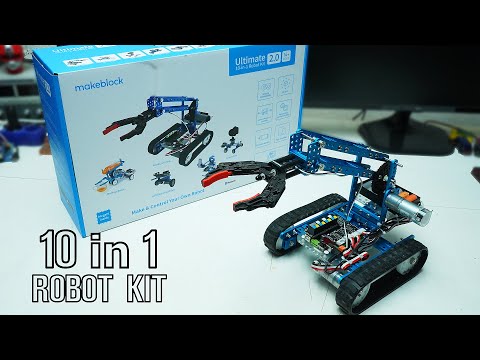
- Makeblock features a variety of robotic kits that connect with both coding and physical building, offering projects that challenge and inspire inventive minds.
- NASA has educational resources that not only include engineering challenges but also provide a wealth of information related to space exploration and technology. Their projects can provide themed learning sessions that connect robotics with real-world science.
Parents looking for tech-supported STEM learning ideas can also check out articles available on Bright Mind Tools which sometimes offer curated collections and guides that simplify the process of integrating modern technology into early education. This resource is particularly helpful for those trying to strike a balance between guided learning and free exploration.
When setting up a learning module, educators might also create a resource folder with printed guides, video tutorials, and a troubleshooting manual that students can refer to outside of class. This folder should be easy enough for a parent to understand if they’re trying to help their child at home. In doing so, both structured and playful learning are encouraged, making STEM a natural, engaging part of everyday life.
Educators might also use these ideas to build interdisciplinary projects. Combining art, music, and coding, for instance, can open up conversations about how technology influences various fields. A class might work on a project where a robot draws or plays music, which is both fun and an opportunity to demonstrate cross-curricular learning.
Furthermore, mixing short, focused lessons on separate topics such as sensor integration, motion control, or even simple algorithm design can help break down complex ideas into smaller, manageable tasks. It makes lessons less overwhelming, and students get frequent wins that build confidence.
Parents and teachers should remember that technology is best embraced when it’s seen as part of a larger puzzle – one where curiosity and experimentation drive learning rather than rote memorization. Giving students the freedom to experiment, make mistakes, and then correct those mistakes is key in nurturing a future generation that’s ready to innovate and lead.
Encouraging children to set small, achievable goals with their coding robots — like getting a robot to navigate a simple maze — fosters a sense of accomplishment. Once that goal is met, more challenges can be introduced gradually, scaling complexity at a pace that suits each learner’s abilities.
In classrooms that use STEM tools, creating a mental or physical display board that tracks progress and novel ideas can significantly boost student engagement. This board acts as a timeline of projects and successes, often sparking conversations among students who see different approaches to solving similar problems. Sharing these ideas in an environment that celebrates trial and error can make the journey of learning less linear and more dynamic.
While many educators lean on the structure offered by commercial kits, sometimes the best learning happens when kids are given the chance to freely experiment with programming constructs not explicitly covered in manuals. Encouraging them to tweak parameters or add their own creative twists to the projects ensures that learning remains adaptive and ever challenging.
By making use of these practical tips, guided activities, and external resources, parents and teachers can turn a simple coding kit into an endless well of opportunities for exploration and discovery. The combination of hands-on experimentation, structured challenges, and a community-oriented approach to learning set the stage for building confidence and a strong technical foundation in early education.
Conclusion
We’ve come full circle discussing tech-supported STEM learning and its easy, fun integration into daily routine. Remember the practical coding kits, simple tech tips and the value of hands-on learning. Our hands-on insights help guide parents seeking better methods and bright futures; explore more with Bright Mind Tools | to make the next step a reality.
Frequently Asked Questions (FAQs)
How do STEM coding kits work?
STEM coding kits let kids learn by doing simple projects that mix coding and hardware. They’re designed to be easy to set up and fun to use, so parents and teachers can help their children build cool projects that work with real-world technology.
What benefits do STEM coding kits offer for young learners?
These kits help kids explore science and technology in a hands-on way. They improve problem-solving, creativity, and logical thinking skills. Plus, using them together can turn screen time into learning time, making everyday play a bit more brainy.
Which STEM coding kit is best for beginners on a budget?
For those starting out, trying a kit like the Evo Entry Kit on Amazon can be a great idea. It’s affordable and perfect for parents who want to introduce their kids to coding without a huge upfront cost, helping them build confidence without feeling overwhelmed.
How can parents integrate STEM coding kits into daily learning?
A Parent’s Guide to Tech-Supported STEM Learning by Bright Mind Tools is a great resource. It walks parents through simple ways to mix technology into everyday activities for school-age kids. The guide offers easy-to-follow tips that are practical and relate to daily life, making it simpler to encourage curiosity and learning away from the classroom.
Are there tools that complement STEM coding kits, and where can I learn more about them?
Yes, several tools work well alongside these kits. For example, resources like CircuitMess and Sphero offer extra projects and fun challenges. These platforms provide more ways to experiment, ensuring that learning doesn’t stop with a single kit.
Sources
- [Evo Coding Kits | Hands-On STEM & Coding for All Ages
– Ozobot](https://shop.ozobot.com/collections/evo-entry-kit-and-classroom-kits)
– CircuitMess: DIY STEM Kits for Kids, Teens & Adults
– Educational STEM & Robot STEAM Kits for Kids & Teens | Sphero
– Welcome to Robolink | STEM and coding with robotics kits